
History and Craft
Creating a valuable future with one careful stitch.
Tabi and Gyoda
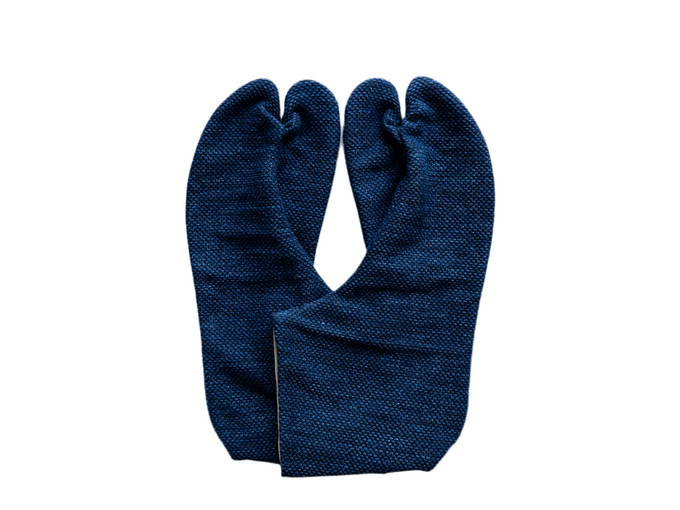
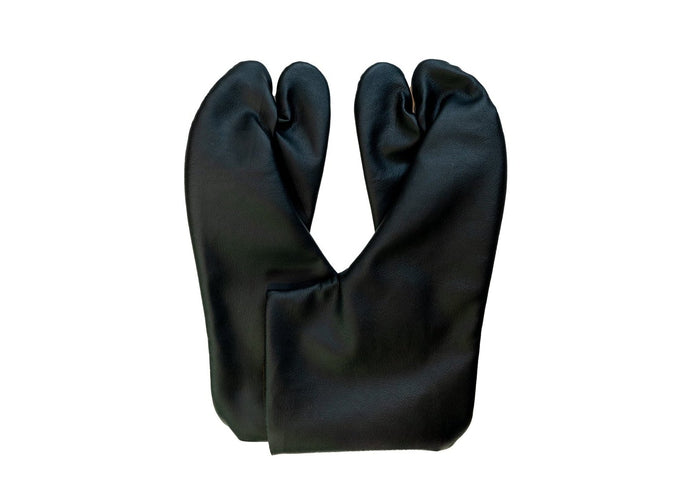
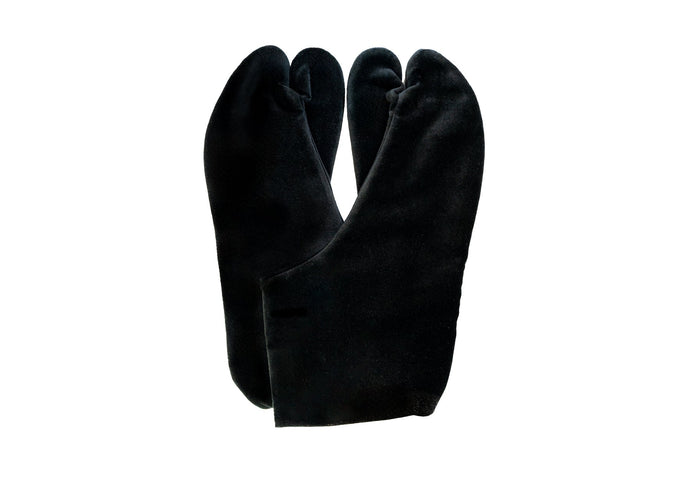
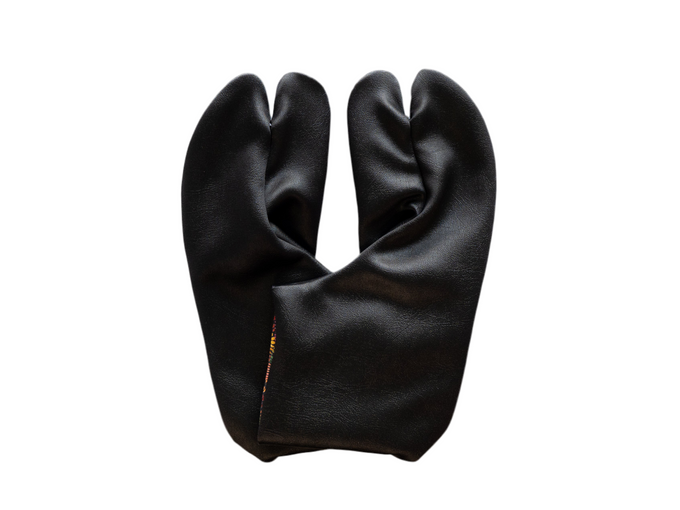
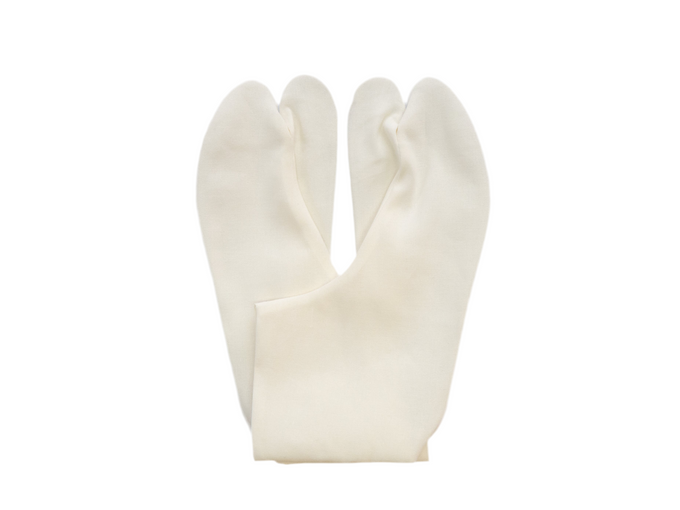
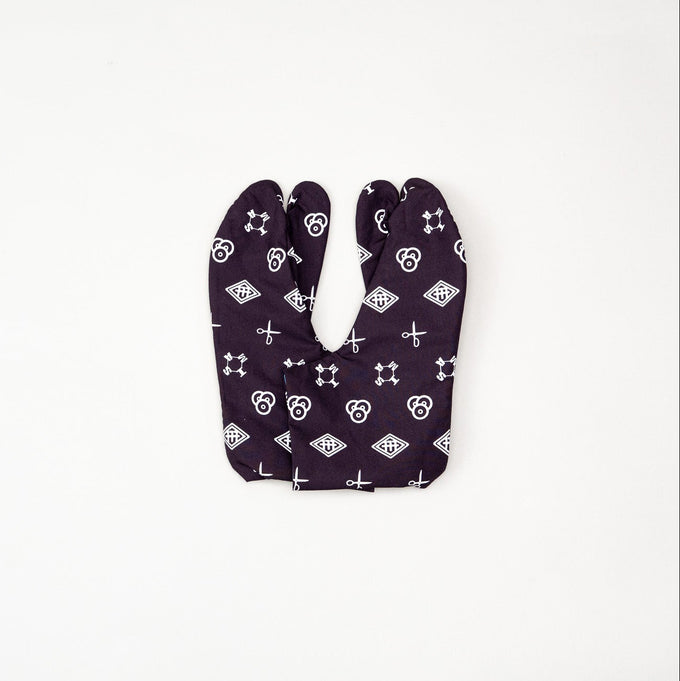
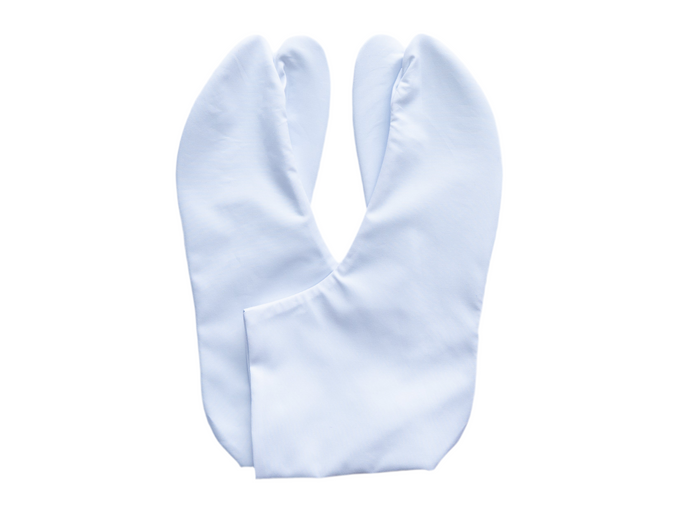
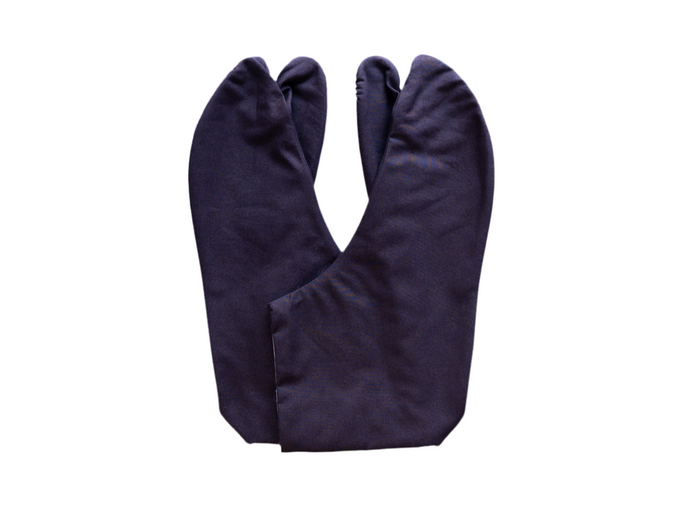
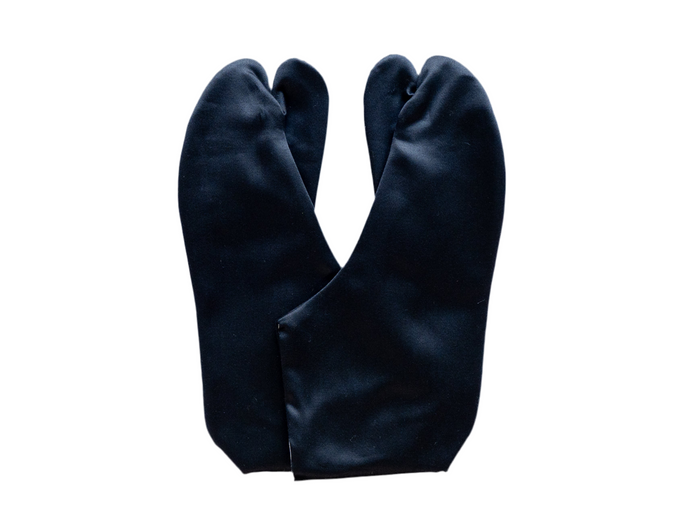
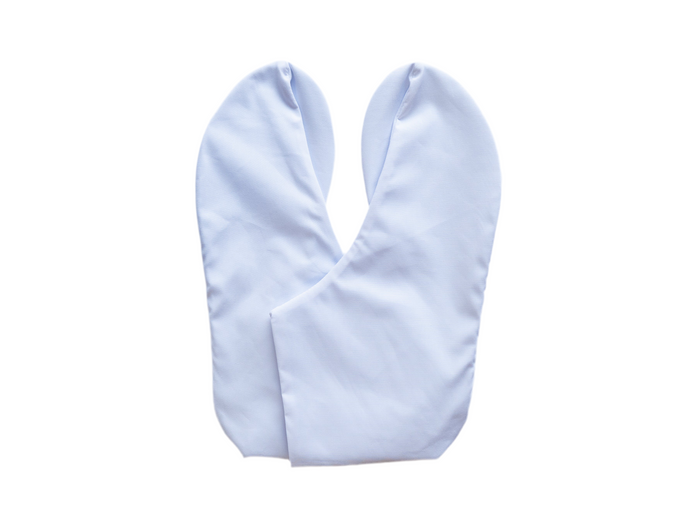
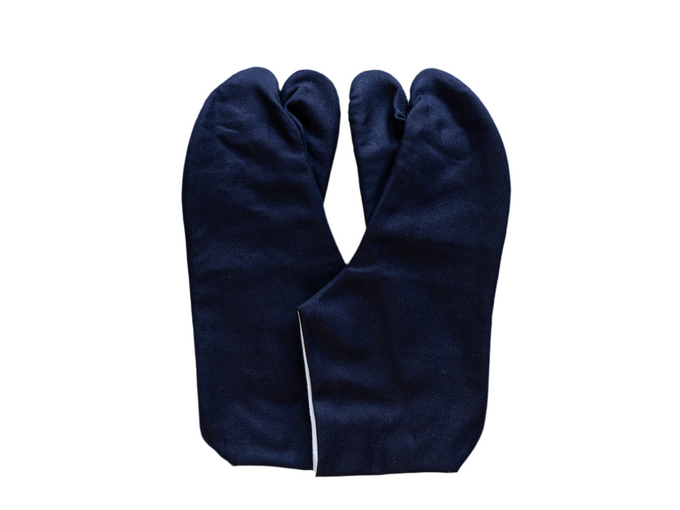
The name tabi, for Japan's split-toe socks, can be traced back to the Wamyo Ruijusho, a dictionary from the mid-Heian period (the 900s), which is said to record deerskin footwear under that name. Tabi making in Gyoda, Saitama, is said to date from the Edo period (1603–1868), and one tradition holds that the lord of the Oshi domain encouraged it as side work at home for low-ranking samurai families. In the mid-Meiji period (the late 1800s), hand-cranked sewing machines arrived and tabi became a major industry. In 1907, in the middle of that boom, we began making tabi. Gyoda was once Japan's leading tabi-producing area, and it is still known as a town of tabi storehouses.
The history of Isami Tabi Honpo
- 1907Founder Katsujiro Suzuki begins making tabi
- 1909The second head of the business moves the shop to Shinmachi in Gyoda and expands production
- 1916An agent is appointed in Hokkaido, taking tabi sales north
- 1918A new factory is built, today our School Factory
- 1930Named a designated factory of the national federation of purchasing cooperatives, supplying tabi and work clothes
- 1931We acquire a sawtooth-roofed cooperative factory and move to expand tabi sales into western Japan
- 1945Our factory in Kumagaya is destroyed in the war
- 2005Fire destroys the head office and warehouse. The factory, on a separate site, is back in production the next day
- 2022Designated a Sainokuni Factory by Saitama Prefecture
- 2027120th anniversary of our founding
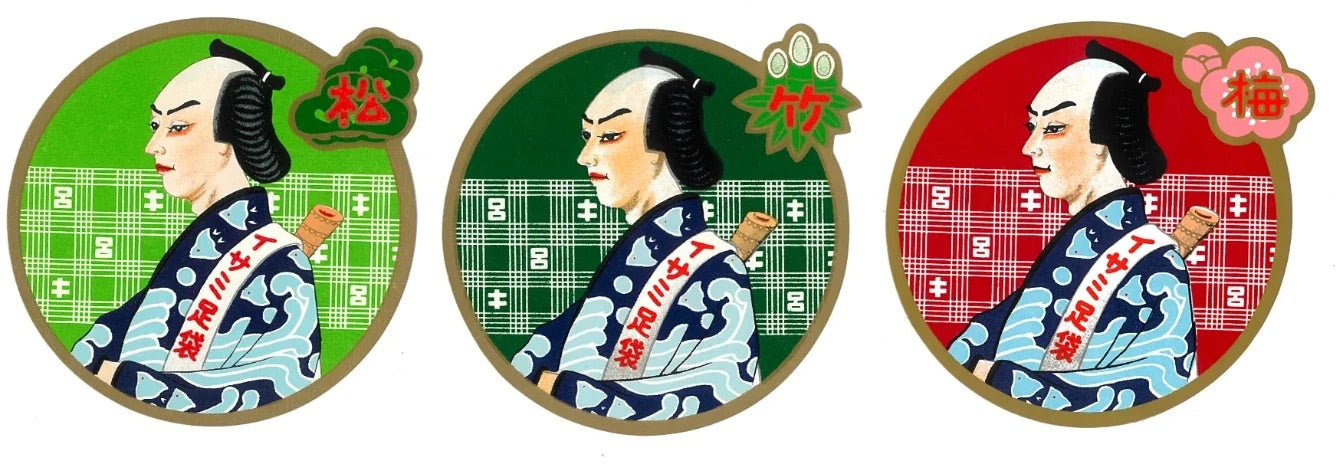
The man with the topknot on our label is known as Matsu-san. He is said to be modeled on Gosho no Gorozo, a character in the kabuki play Soga Moyo Tateshi no Goshozome.
In the 1910s, collecting five of these labels reportedly earned you a seat at a screening held by our film unit.

Our Gyoda factory
The sawtooth roof of our tabi factory dates from the early Showa period (which began in 1926). The building was put up as a cooperative factory by several companies, ours among them, and we bought it in 1931.
Sawtooth roofs were used in the textile industry that grew during Britain's Industrial Revolution. Ours has wide north-facing skylights, so uniform natural light comes in all day, letting us check the color of our tabi.
We have 15 craftspeople in Gyoda, and four of them hold Saitama Prefecture's title of traditional craftsperson.

The 13 stages of making tabi
- 1ひきのし
- 2裁断
- 3通し
- 4押さえ
- 5ハギマチ
- 6甲馳付け
- 7羽縫い
- 8甲縫い
- 9尻止め
- 10爪縫い
- 11廻し
- 12千鳥
- 13仕上げ
Tabi are made in 13 stages, shown above in Japanese and numbered in working order. The sewing is harder at some stages than others, so we switch machines to suit the work. Each size has its own cutting die for the fabric, and every pair is sewn one at a time.
Finishing
A clean line at the toe, and an even finish with no wrinkles: this is the beauty of tabi. We pay attention to every millimeter and finish each pair one at a time.

Company
- Company name
- Isami Corporation
- Founded
- 1907
- Representative
- Takahiro Tsuchiya, CEO
- Employees
- 63
- Business
- Planning, making and selling school uniforms, sportswear, company uniforms and tabi
- Head office
- 2-6 Mukaimachi, Gyoda, Saitama 361-0075, Japan
- Factories
- Gyoda (Mukaimachi and Asahicho) and Shibata, Niigata
- Tel (tabi direct line)
- +81-48-556-5276